


Gut Goals: Why “New Year, New You” Starts in Your Microbiome!

When determining all the ways you will have a "new year, new you," don't ignore the most powerful control center of your health. Whole genome sequencing of your gut microbes is quickly becoming one of the most exciting ways to peek under the hood and see how your inner ecosystem is shaping your weight, energy, mood, and long‑term disease risk.
Why your gut runs the show
Your gut microbiome is a bustling city of trillions of microbes that help you digest food, train your immune system, and talk to organs all over your body. These microbes break down fibers you can’t digest, turning them into short‑chain fatty acids that calm inflammation and help keep your gut lining strong.
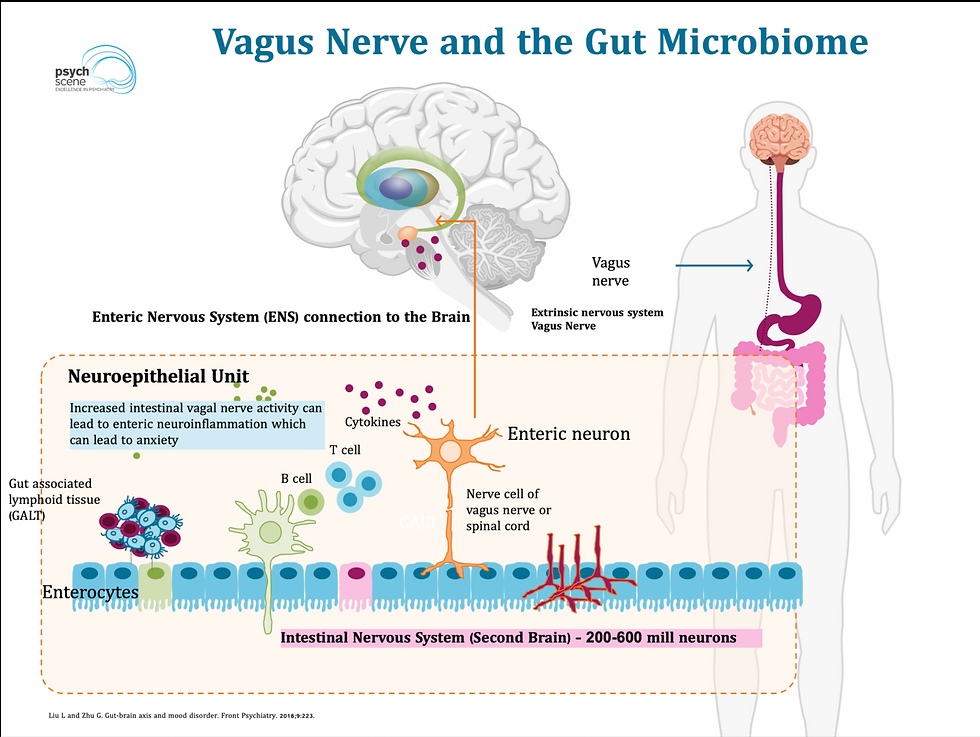
Researchers now describe the gut as a control hub that talks to your brain, heart, liver, lungs, bones, and immune cells through chemicals made by microbes. When this ecosystem is balanced, it supports metabolic health, mood stability, and stronger defenses against chronic disease; when it’s out of balance, risk for issues like obesity, heart disease, fatty liver, and even some cancers goes up.
Microbes that make or break weight loss
Several studies show that people on the same diet and exercise program lose very different amounts of weight depending, in part, on their gut microbiome. In one program, people who struggled to lose weight had more gut bacteria geared toward squeezing every last calorie out of carbohydrates, while successful weight‑losers had a microbiome wired for faster, leaner metabolism and healthier inflammation control.
A large analysis of diet trials found that losing more than about 5% of body weight is often linked to a shift toward a “lean‑type” microbiome: more diverse species, a tighter gut barrier, and fewer inflammatory bacterial products leaking into the blood. Put simply, your microbes can either be quiet saboteurs, harvesting extra calories and stirring up inflammation, or powerful allies that make “eat less, move more” actually work for your body.
Your gut’s fingerprint on major organs
Scientists now talk about “gut‑organ axes” because the microbiome communicates directly with multiple systems.
Heart and blood vessels: Gut microbes can produce harmful compounds like TMAO that promote clogged arteries, but they also make protective molecules that support flexible blood vessels and lower inflammation. Tweaking your microbiome, through diet, probiotics, or lifestyle, can shift this balance toward heart protection rather than damage.
Liver and metabolism: Microbial products travel from the gut to the liver, influencing fat buildup, detox pathways, and risk of fatty liver disease. When the gut barrier is leaky and the microbiome is inflamed, the liver is bombarded with toxic signals; when the microbiome is healthy, it supports liver regeneration and more efficient metabolism.
Brain and mood: Microbial metabolites and gut‑brain signaling affect stress responses, mood, and cognitive function, forming a key part of the gut–brain axis. While this field is still evolving, early work links healthier microbiome patterns to better mental well‑being and lower systemic inflammation that can affect the brain.
“New you” goals like more energy, better focus, improved blood pressure, or healthier cholesterol are all influenced by how your gut community is wired.
Where whole genome sequencing fits in
Traditional stool tests often look at a limited set of microbes, but whole genome (shotgun) sequencing reads ALL the DNA in your sample, revealing not just who is there, but what they can do. This deeper layer lets scientists and clinicians see genes related to carbohydrate breakdown, fiber fermentation, vitamin production, toxin processing, and inflammatory signaling, exactly the levers tied to weight and organ health.
Recent work using advanced sequencing on gut samples has uncovered entirely new bacterial species and metabolic pathways that were invisible with older methods. That means the picture of your gut in 2026 can be far more detailed and actionable than it was even a few years ago, giving you a personal “blueprint” of how your microbes are helping or hindering your goals.
Turning data into a “new you.”
A healthy “new you” in the new year is not just about willpower; it is about aligning your lifestyle with the microscopic world that runs so much of your biology. Whole genome sequencing of your gut microbiome can:
Highlight whether your microbes favor storing or burning calories, guiding weight‑loss strategies that actually match your biology.
Reveal imbalances linked to heart, liver, and immune health, so diet and lifestyle changes can be targeted instead of generic.
Track how your gut community shifts as you change your habits, turning progress into concrete, measurable data rather than guesswork.
The emerging science is clear: you cannot have a true “new year, new you” without paying attention to the tiny partners in your gut that help decide how your body handles food, fights disease, and ages over time. Whole genome sequencing is one of the most powerful ways yet to meet them, and to start working with them rather than against them.
References:
Diener C, Gaulke CA, Rappaport N, et al. Gut microbiota influences the ability to lose weight in humans. mSystems. 2021.
Kalra SS, Shanahan E, Croft KD, et al. Gut microbiota in cardiovascular health and disease. J Am Coll Cardiol. 2017;69(23):2913-2926.
Fan Y, Pedersen O. Gut microbiota: An integral moderator in health and disease. Nat Rev Microbiol. 2021;19(3):151-170.
Luqman A, et al. Gut microbiota on cardiovascular diseases: A mini review on mechanisms and therapeutic targets. Front Cardiovasc Med. 2025.
Vouras C, et al. Gut microbiota and cardiovascular disease. Circ Res. 2020;127(4):553-570.
Sze MA, Schloss PD. Looking for a signal in the noise: Revisiting obesity and the microbiome. mBio. 2016;7(4):e01018-16. (Representative of work linking microbiome, obesity, and metabolic health.)
Lau JT, Whelan FJ, Herath I, et al. The association of weight loss with changes in the gut microbiota diversity and composition. Nutrients. 2022;14(2):343.
GeekWire staff. Predicting weight loss: Study suggests gut bacteria may influence ability to shed pounds. GeekWire. 2021.
Danone Nutricia Research. The gut-organ axis: A microbial network connecting the body. 2025.
Mayo Clinic. Examining the role of gut microbial composition and function in obesity and weight loss. 2020.
Moss EL, Maghini DG, Bhatt AS. Recovery of human gut microbiota genomes with third-generation sequencing. Cell Death Dis. 2021;12:279.
Li C, Chai J, He Y, et al. Next-generation sequencing applications in food science (includes overview of shotgun/whole genome sequencing approaches). Compr Rev Food Sci Food Saf. 2025

Comments